
How to identify if you have a Caroma Water Wafer pneumatic cistern
How to identify if you have a Caroma Water Wafer pneumatic cistern
Many Australian homes built in the late 1990s and early 2000s used the Caroma Water Wafer pneumatic cistern, particularly in remote or concealed installations. These cisterns are often hidden in ceilings, wall cavities, or service ducts, making them difficult to identify when a toilet starts leaking or running.
This guide explains how to identify a Caroma Water Wafer cistern, what the flush plate looks like, and which spare parts are commonly replaced when servicing these older systems.
You likely have a Water Wafer system if:
✔ The flush plate is satin stainless steel
✔ The plate has four screws in the corners
✔ There are two round push buttons
✔ Blue pneumatic tubes connect the buttons to the cistern
✔ The cistern is installed in the ceiling or away from the toilet
The push plate, should be satin stainless steel, with a screw in each corner and round buttons (pictured below). Unfortunately, you can’t get this plate anymore but we can provide a retrofit plate that is much larger but will still work. Below are two pictures, which should help identify if you have a Water Wafer cistern. After this, you can then decide which parts you want to replace, depending on the issue.
This is what the toilet push plate looks like

For plumbers, this is what the cistern looks like.

Common replacement parts
Because these cisterns are now 15–20+ years old, several parts often fail:
• Outlet valve seal – toilet constantly running
• Pneumatic mechanism – flush buttons stop working
• Inlet valve – hissing or overfilling
• Button seals – buttons become hard to press
These components can usually be replaced without removing the entire cistern
-
 Caroma Water Wafer Outlet Valve Seal | Genuine Part 405182$26.98
 -
Product on saleCaroma MKIII Water Wafer Inlet Valve Assembly | 405041Original price was: $210.00.$142.00Current price is: $142.00.
-
Product on saleCaroma Water Wafer MK1 and MK3 Pneumatic Operating MechanismOriginal price was: $123.00.$85.50Current price is: $85.50.
-
Product on saleCaroma Invisi and MK3 Water Wafer Push Button Seal Kit 405178Original price was: $97.70.$77.00Current price is: $77.00.


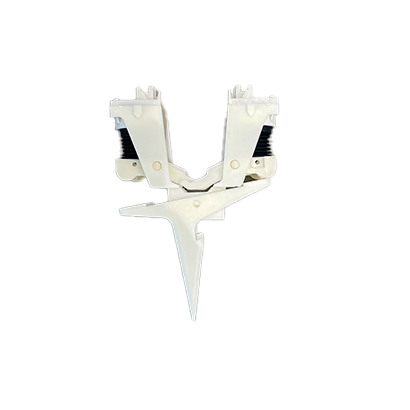

Other less common parts purchased


What do I need, if I want to replace the cistern?
This is a good question, as the cistern has not been made for 15-20 years. Our best option is to replace the the cistern with a Valsir Tropea 2 Pneumatic Cistern, with a 2m hose extension and a Valsir Push plate that ensures you can fix the plate securely to the tiles.
We try to stock all required parts, if you are still unsure of what you need, you can always email us at sales@sydneybathroomware.com.au
Sydney Bathroomware has been supplying Caroma spare parts and concealed cistern components in Sydney since 1982, helping plumbers identify and repair discontinued systems.